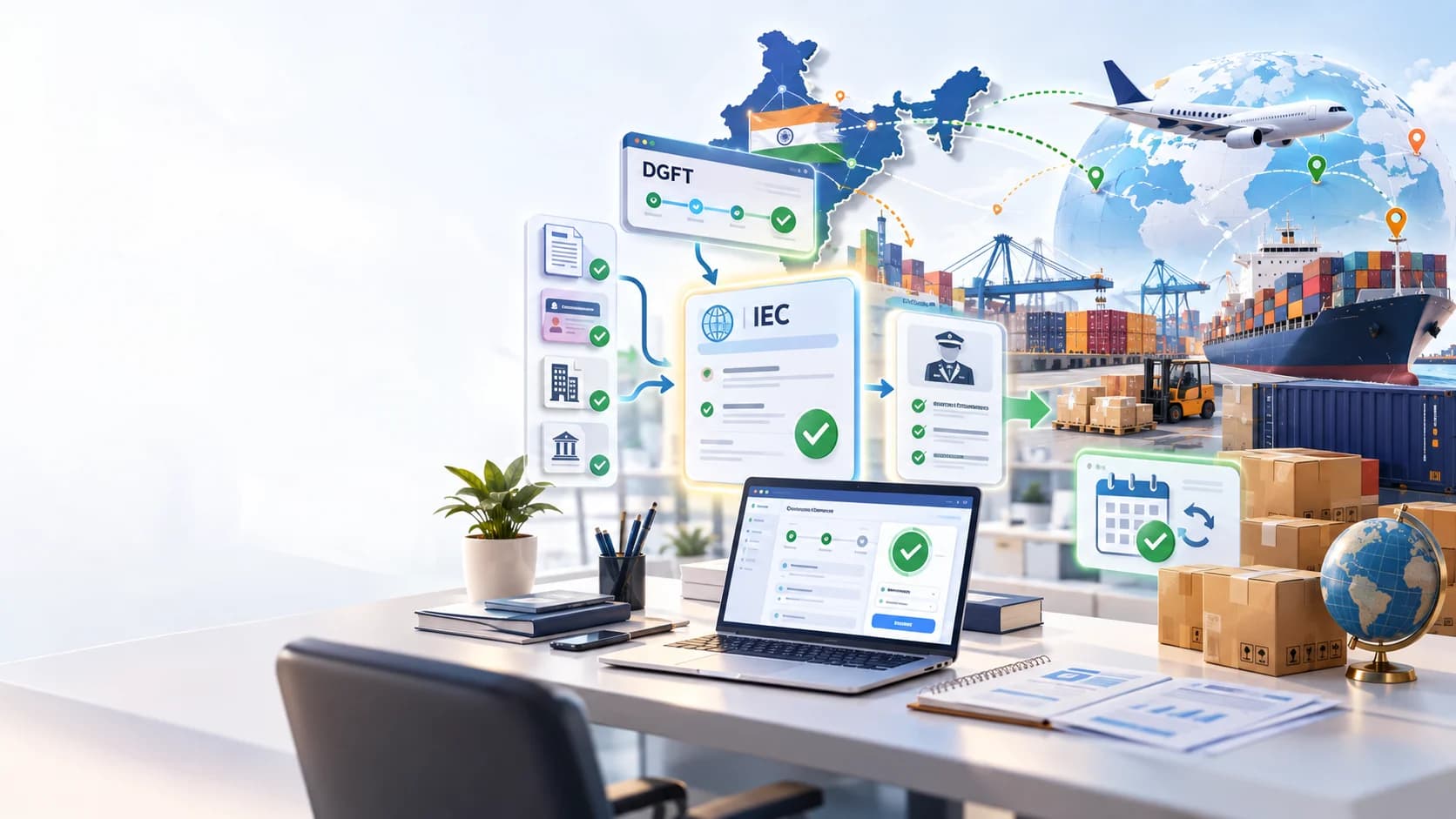
Filing statutory documents electronically in India, whether that's incorporating a company, filing GST returns, submitting income tax returns above certain thresholds, or bidding on a government e-tender, generally requires a Digital Signature Certificate India applicants must obtain from a licensed certifying authority, the electronic equivalent of a signed and notarized document. Livida helps India-based individuals and businesses obtain the correct DSC for their specific filing needs and manages the renewal cycle once it's issued.
Key Takeaways
- A Digital Signature Certificate India filers use must come from a licensed certifying authority.
- Directors, designated partners, and authorized signatories commonly need one for MCA, GST, income tax, and tender work.
- Choosing the right class before applying avoids a certificate that the filing will not accept.
- Expiry should be tracked so a renewal never lands on a filing deadline.
Digital Signature Certificate India: Where It Is Required
DSCs come up across a wide range of statutory activity: directors and designated partners need one to sign filings with the Ministry of Corporate Affairs for company and LLP compliance, GST registration and several types of GST filings require a DSC for authorized signatories, income tax e-filing above certain thresholds requires digital signing, and participating in government electronic tenders depends on having a valid DSC in place. Because the requirement shows up across such different types of filings, it's common for a business owner or director to need one without realizing it until a specific filing gets blocked without it.
Getting the Right Class
DSCs are issued in classes reflecting the level of identity verification behind them, and Class 3 is the category most commonly required today for the range of business and statutory purposes covered above, following changes to how certifying authorities structure their offerings. Applying for the wrong class is a real risk, since a certificate issued at an insufficient level of verification simply won't be accepted for the filing it was meant to support, which means starting the application process over. Livida confirms the correct class needed before applying, based on what the certificate will actually be used for.
A DSC application typically involves these five steps:
- Identifying the correct class needed for the intended filings
- Video verification or biometric authentication of the certificate holder
- Submission of identity and address proof to the certifying authority
- Issuance of the certificate for a one- or two-year validity period
- Tracking the renewal date ahead of expiry
DSCs are commonly needed alongside GST registration and DIR-3 KYC filing, both of which require electronic signing for compliance with the GST portal.
The Verification Process
Obtaining a DSC involves an identity verification step conducted by the certifying authority, typically including video verification or biometric authentication of the actual individual who will hold the certificate, since a DSC is tied to a specific person's identity. This means the certificate holder needs to participate directly in that verification step, it isn't something that can be completed entirely on someone else's behalf. Livida coordinates everything around that step: preparing the application, gathering supporting documentation, and managing the process with the certifying authority, so the verification step itself is the only part requiring the client's direct participation.
Tracking Renewal
A DSC is issued for a set validity period, generally one or two years depending on what's chosen at application, and needs to be renewed before it expires to keep signing filings without interruption. An expired DSC discovered right before a filing deadline is an entirely avoidable problem. Livida tracks the expiry date for clients' certificates and coordinates the renewal application ahead of time, particularly for directors and signatories whose DSCs support recurring statutory filings we're already handling.
Conclusion
A DSC is a small piece of infrastructure relative to the filings it enables, but without a valid one in the right class, MCA filings, GST returns, income tax submissions, or tender participation simply can't proceed electronically. Getting the right class issued correctly the first time, and keeping it renewed, avoids it becoming an unexpected blocker at filing time. For a broader look at how DSCs fit into the incorporation process itself, see our comparison of digital signature and e-KYC versus company incorporation. If you or your business need a Digital Signature Certificate, or need to confirm an existing one is still valid, Livida can assess what's needed and coordinate the application.
Digital Signature Certificate India at a Glance
| Question | Short answer |
|---|---|
| Who it suits | Directors, partners, authorized signatories, and tender bidders |
| What we handle | Class selection, documents, application, and renewal tracking |
| What you do | Complete the identity verification yourself |
| What happens next | Registration on the relevant portal and filing |
In the filings we handle, the most common delay is a certificate that has expired or was issued in the wrong class. Our team checks both before a deadline is near. For help with tax and compliance filings that rely on a DSC, see annual compliance for a private limited company or adding or removing a director.
References
- Controller of Certifying Authorities, the government body that licenses certifying authorities under the IT Act, 2000.
- Ministry of Corporate Affairs DSC help page, which explains DSC use and registration for MCA filings.
- National Portal of India: register your DSC with MCA, the government service listing for director and signatory DSC registration.
This page is general information, not professional or legal advice, and rules change, so confirm current requirements before acting.
Talk to Livida
For a Digital Signature Certificate India application or renewal, contact Livida, email info@livida.in, or call +91 94860 33194.