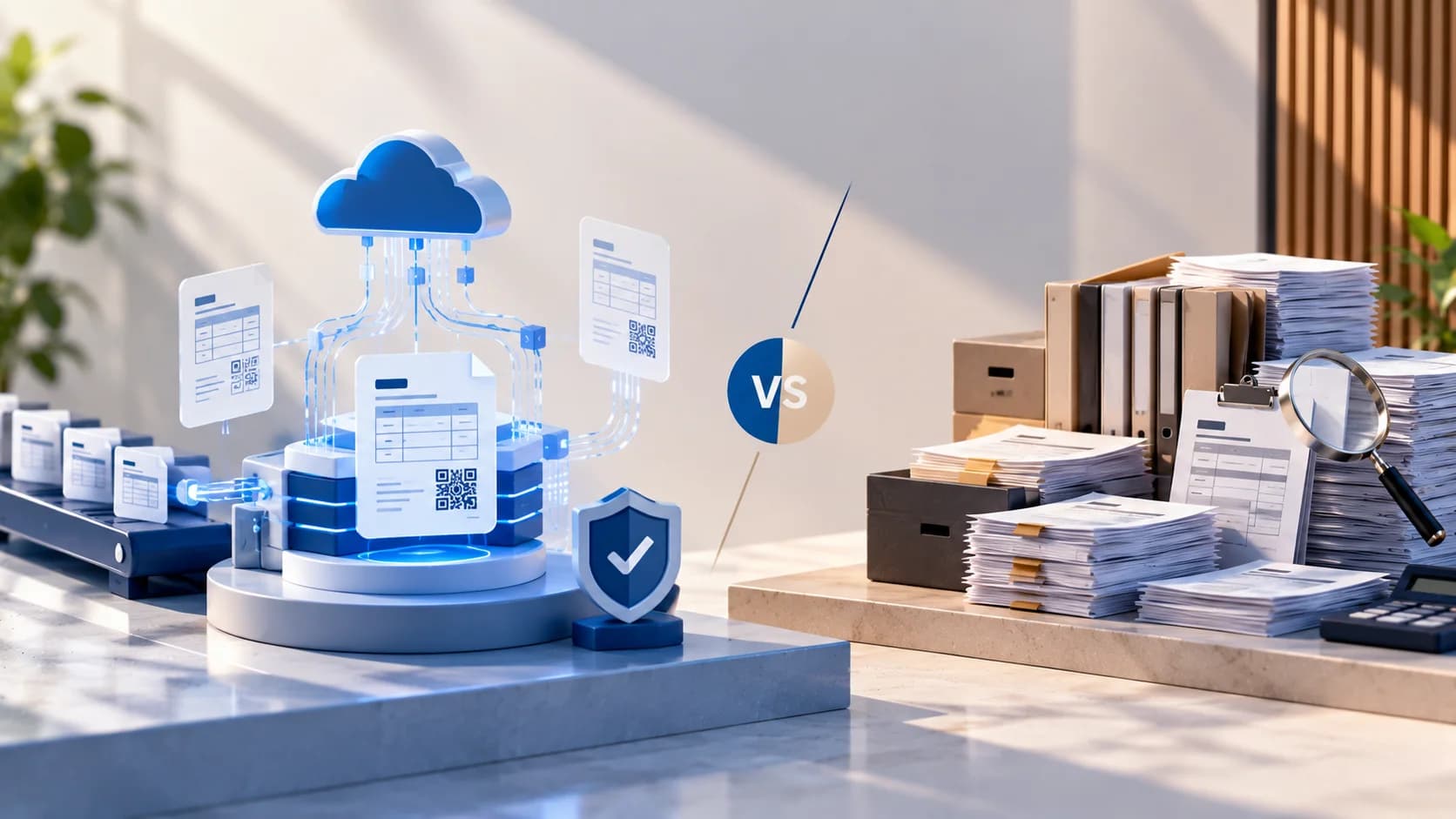
For India-based exporters, how GST is handled on outward supplies has a direct impact on cash flow. Without a Letter of Undertaking (LUT) in place, IGST has to be paid upfront on every export and then claimed back as a refund, tying up working capital in the process. Filing an LUT removes that upfront payment requirement entirely, allowing exports to proceed as zero-rated supplies. Livida's GST LUT filing service handles this filing for India-based exporters as part of our broader GST compliance support.
Key Takeaways
- GST LUT filing lets eligible exporters supply goods or services as zero-rated without paying IGST upfront.
- Without a valid LUT, IGST must be paid at export and claimed back later, which ties up working capital.
- The LUT is valid for one financial year, so it must be renewed each year before further zero-rated invoicing.
- Filing early avoids disruption to export invoicing.
- Livida tracks the renewal as part of your regular GST compliance.
What the LUT Actually Does
A Letter of Undertaking is a formal declaration filed on the GST portal in which an exporter undertakes to fulfill all the requirements prescribed for exporting goods or services without payment of integrated tax. Once accepted, the exporter can invoice exports as zero-rated supplies, without charging or paying IGST at the point of export, instead of having to pay the tax first and wait for a refund to come through. For businesses that export regularly, this difference in cash flow can be substantial over the course of a year.
Eligibility and the Annual Renewal Requirement
Most GST-registered exporters are eligible to file an LUT, with the main exception being those who have been prosecuted for tax evasion involving amounts above a specified threshold, who need to furnish a bond with a bank guarantee instead. One detail that catches businesses out is that the LUT is valid only for the financial year in which it's filed and must be renewed each year before further zero-rated exports can be invoiced under it. Missing this renewal at the start of a new financial year means reverting to the upfront IGST payment route until a fresh LUT is accepted.
Why Timing Matters
Because the LUT needs to be in place before zero-rated invoicing continues into a new financial year, filing it early rather than waiting until an export shipment is imminent avoids any disruption to invoicing or unnecessary IGST outlay. This is one of those filings that's straightforward on its own but easy to overlook amid a busy export operation, which is exactly why it benefits from being tracked as part of an ongoing compliance relationship rather than handled as a one-off task.
At a Glance
| At a glance | Details |
|---|---|
| Who it suits | GST-registered exporters of goods or services in India |
| What we handle | Eligibility check, LUT declaration for the financial year, acceptance tracking |
| Typical documents | GST registration details, export business details, prior year LUT reference |
| What happens next | Zero-rated invoicing continues, and we diarise next year's renewal |
GST LUT Filing: The 4 Steps We Follow
- Confirm your eligibility and that your GST registration is active.
- Prepare the LUT declaration for the applicable financial year.
- Submit it on the GST portal and confirm it is accepted.
- Diarise the renewal so the next year's LUT is filed before it is needed.
In the LUT filings we handle, the most common problem is a renewal that was simply forgotten at the start of a new financial year. Our team puts the renewal date in the compliance calendar, and we recommend filing well before the first export invoice of the new year.
Livida's Process
We confirm your eligibility to file under the LUT route, prepare and submit the declaration on the GST portal for the applicable financial year, and track the acceptance to confirm your export invoicing can proceed without IGST. Because we already handle GST registration and return filing for India-based exporters, we monitor the annual renewal deadline as part of that ongoing relationship, so the LUT doesn't lapse unnoticed and disrupt your export operations.
Why This Is Worth Staying On Top Of
Missing an LUT renewal doesn't just create an administrative gap, it directly affects cash flow by forcing upfront IGST payment on exports until a fresh LUT is filed and accepted. For a business with regular export activity, that's a cost worth avoiding through simple, timely filing. If your business exports goods or services and you want your LUT filed or renewed without the risk of it slipping past deadline, Livida's GST team can manage this as part of your regular compliance.
Related Export Compliance
LUT filing is one part of the broader compliance picture for an exporting business. Livida also supports:
- GST Registration India, the underlying registration that an LUT application depends on
- IEC Registration India, the Import Export Code every exporting business needs before shipments can clear customs
Current LUT eligibility conditions and the online filing process are published on the GST portal.
Conclusion
GST LUT filing is a small filing with a large cash flow effect. Filing it on time each year keeps exports zero-rated and working capital free. Related reading: GST annual return filing reports your zero-rated supplies at year-end, the India GST technology roadmap shows where export reporting is heading, and our GST registration India guide covers the registration an LUT depends on.
This page is general information, not professional advice, and tax and company rules change, so confirm current requirements with the relevant authority or a qualified professional before you act.
References
- GST portal, for LUT eligibility conditions and the online filing process
- CBIC GST website, for GST refund and return rules and formats
- National Portal of India, for locating official government services
Talk to Livida
If you would like help with your GST LUT filing, visit our contact page, email info@livida.in or call +91 94860 33194.