An LLP that has stopped operating doesn't close itself simply because the partners have moved on. Left unaddressed, an inactive LLP continues to accumulate annual filing obligations and, over time, penalties for non-compliance, even with no business activity taking place. Formally closing the LLP through the appropriate route puts an end to those obligations cleanly. Livida's LLP closure India service helps LLPs work through this process, from confirming eligibility to managing the filing itself.
Key Takeaways
- LLP closure India usually means a striking-off application for LLPs that are inactive and have no significant liabilities.
- LLPs with assets to realise or debts to settle need a more involved winding-up process instead.
- Pending annual returns and the statement of accounts and solvency are normally cleared first.
- Bank accounts and registrations such as GST should be closed or cancelled alongside the filing.
- An abandoned LLP keeps owing annual filings, so closing it formally protects the partners.
LLP Closure India: Choosing the Right Route
Most inactive LLPs with no significant assets or liabilities can close through a simplified striking-off application filed with the Registrar, similar in spirit to company strike-off. LLPs that do have assets to realize or liabilities to settle before closure need a more involved winding-up process instead. Confirming which route actually applies to your LLP's situation is the first step, since applying through the wrong route can mean delay or rejection partway through.
What the Closure Process Involves
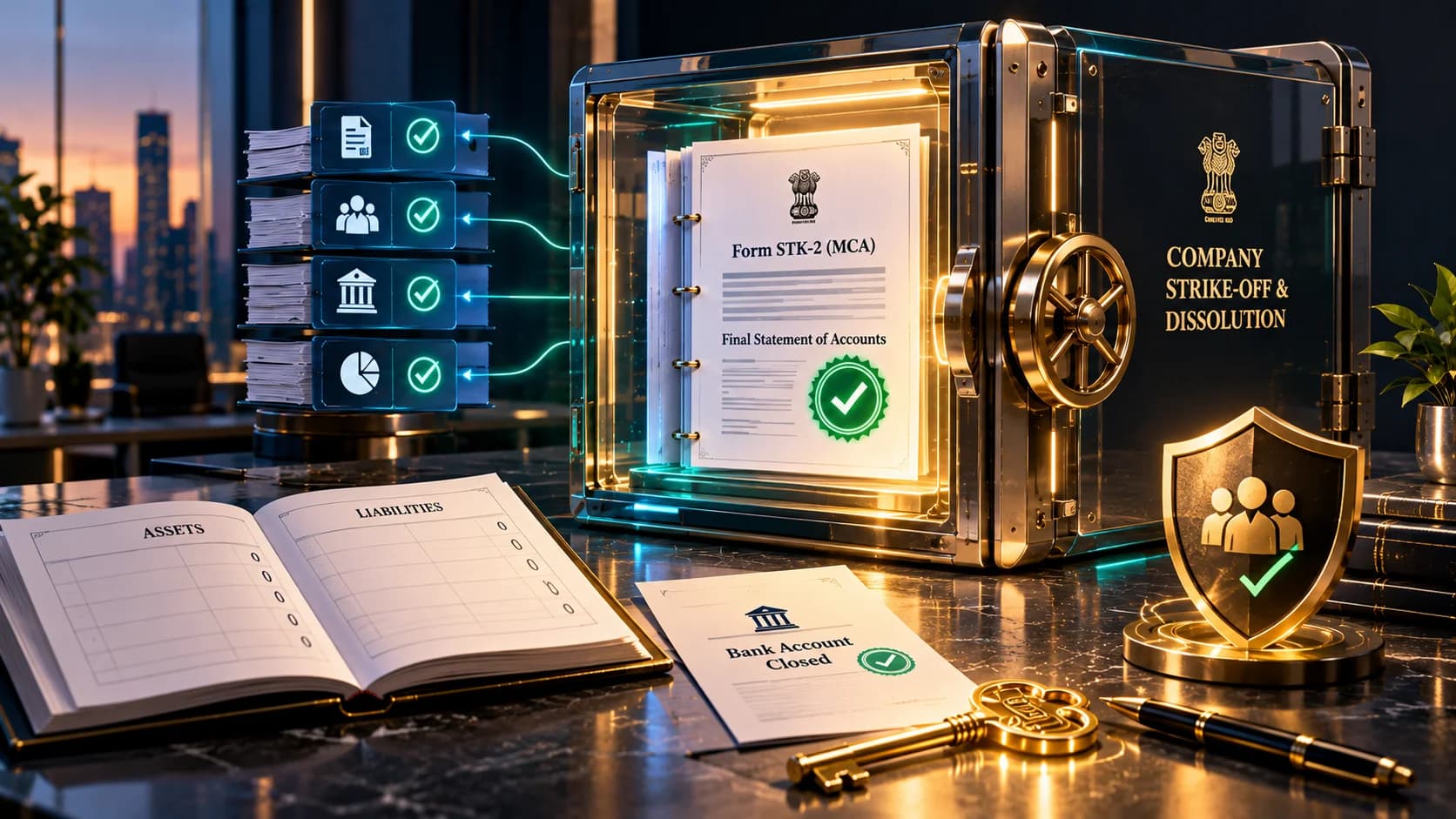
For LLPs eligible for the simplified route, the process starts with the partners' consent to close the LLP, followed by bringing any pending statutory filings, annual returns, and the statement of accounts and solvency up to date, since the Registrar reviews the LLP's compliance history as part of the application. A declaration confirming the LLP has no liabilities or has made arrangements to settle them is filed alongside the closure application. Once submitted, the Registrar reviews the application and, if there are no objections, strikes the LLP's name from the register.
Clearing the Compliance Backlog First
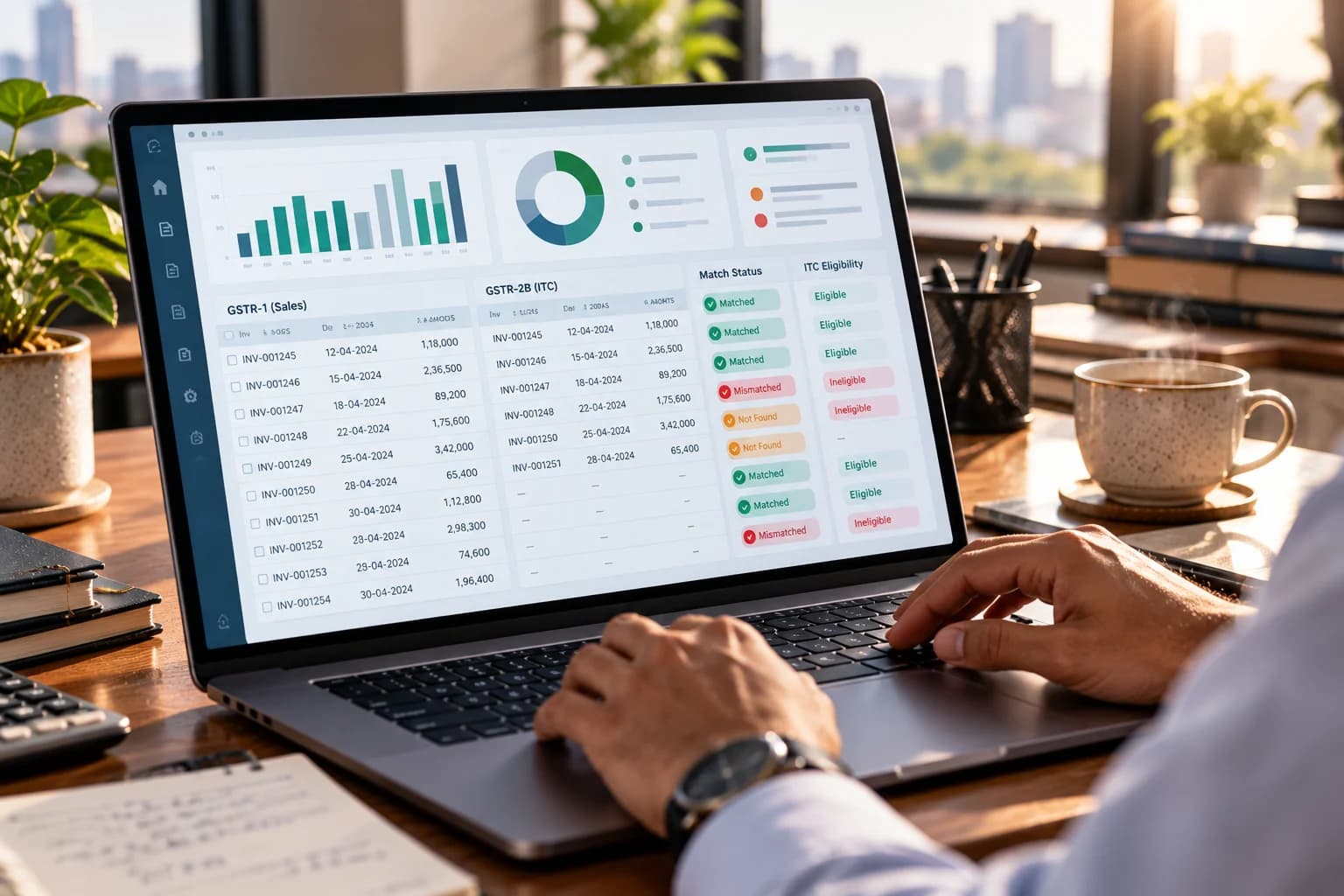
LLPs seeking closure have often gone quiet for a while, which usually means unfiled annual returns or statements of accounts sitting outstanding. Sorting through this backlog, filing what's needed or documenting why an exemption applies, is typically the step that takes the longest, and it's also where closure applications most often run into avoidable delay if it isn't handled properly upfront.
Livida's Process
We start by confirming whether your LLP qualifies for the simplified closure route and reviewing what pending filings, if any, need to be addressed first. From there, we help bring the LLP's compliance up to date, prepare the partners' consent and solvency declaration, compile supporting documentation, and manage the full closure application with the Registrar through to approval. Where the LLP has outstanding GST registration or other licenses, we coordinate their cancellation as part of the closure so nothing is left dangling after the entity is struck off.
Why It's Worth Closing Properly Rather Than Letting an LLP Go Dormant
An LLP that's simply abandoned without formal closure continues to owe annual filings, and the penalties for non-compliance accumulate whether or not the business is actually operating. Closing it properly, with a clean filing history and no unresolved liabilities, avoids that ongoing exposure and gives the partners a clean break. If your LLP has stopped operating and you want to close it formally rather than let it sit dormant, Livida can assess eligibility and manage the closure process for you.
Closing an LLP in 5 Steps
What does the process look like in practice? Our sequence is:
- Confirm whether the simplified striking-off route or winding up applies.
- Obtain the consent of the partners to close the LLP.
- Bring annual returns and the statement of accounts and solvency up to date.
- Prepare the declaration on liabilities and compile the supporting documents.
- File the closure application, then coordinate bank and GST closure until the Registrar strikes the LLP off.
Related LLP Compliance
Closing an LLP properly usually means clearing its other outstanding filings first. Livida also supports:
- LLP Form 8 Filing, for bringing a lapsed statement of account and solvency current before applying for closure
- LLP Registration, for partners setting up a new LLP after closing a previous one
- Annual compliance for LLPs, for LLPs that decide to stay active instead
Pending income tax filings also need to be cleared before closure in most cases; current filing requirements are published by the Income Tax Department at incometax.gov.in.
LLP Closure at a Glance
| Item | What to know |
|---|---|
| Who it suits | Inactive LLPs with no significant assets or liabilities |
| What we handle | Route check, backlog filings, consent, closure application |
| Typical documents | Partner consent, statement of accounts and solvency, liability declaration |
| What happens next | Registrar review, then the LLP is struck off the register |
What Experience Shows
In the filings we handle, the most common delay in LLP closure India cases is an old statement of accounts and solvency that was never filed. Our team checks the filing history first, and we recommend settling partner consent in writing before any application goes in. For help choosing between structures, our comparison of private limited, LLP and OPC is a useful read.
Talk to Livida
To find out whether your LLP can use the simplified route, contact us through our contact page, email info@livida.in or call +91 94860 33194. We also handle the accounting, GST and tax filings that closure depends on.
Conclusion
LLP closure India is straightforward when the right route is chosen and the compliance backlog is cleared first. Close the LLP properly rather than leaving it to accumulate obligations. This page is general information, not professional advice, and rules change, so confirm current requirements on the official portals before acting.